

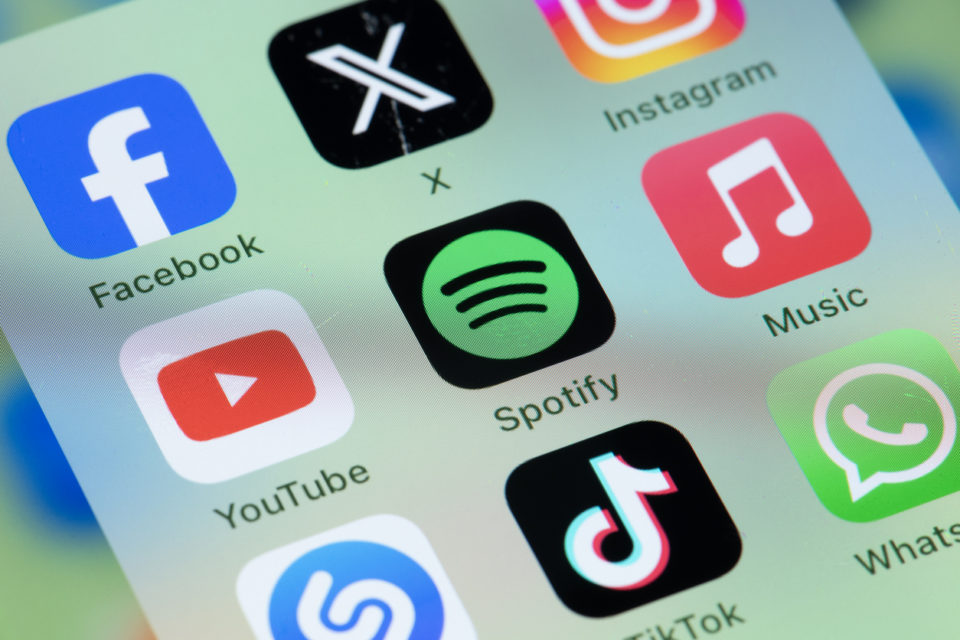
According to the Reuters Institute’s 2026 Digital News Report, more people now use social media as their primary daily source of news than television or news websites. The report is based on responses from more than 85,000 people across 48 markets, confirming that the slow progression toward social-first online interactions has reached a new level.
Key Findings:
- 67% of consumers use Facebook as a primary source for news and current affairs, just a 2% drop since 2021.
- YouTube – previously tied with Facebook – now dominates at 69%.
- Instagram – another Meta platform – has risen 11 percentage points, now attracting 53% of users.
- TikTok rose a whopping 22%.
- Twitter/X has fallen further out of favor, now only garnering the attention of 17% of users.
- While it hasn’t grown much in the past five years, 6% of users over 35 and 16% of Millennials and Gen Z use AI chatbots for news updates. (Note that research shows users of all ages tend to verify information provided by AI through search engines such as Google and Bing.)
Following the Crowd – How Your Dealership Should Adapt
Following the consumer, the trusted news organizations continue to expand their audiences across Facebook, Instagram, TikTok, and other social platforms.
So, what do these changes mean for your dealership?
Short answer: Your marketing tactics should follow suit.
Long answer: Dealerships have more opportunities to place inventory, service, and brand messaging alongside content consumers intentionally seek out every day. While your website remains the primary online home of your dealership, social media is becoming your digital front door.
For many shoppers, a dealership’s Facebook or Instagram page is now one of the first places they interact with your brand, sometimes before ever visiting the dealership’s website. That makes every post, photo, and video part of your first impression.
Your Website and Social Media Play Different Roles.
Your website does three primary jobs:
- Boosts SEO and search visibility;
- Provides information for middle-of-funnel users still researching products;
- Serves as a transactional interface for bottom-of-funnel consumers.
Social media, on the other hand, gives shoppers a better sense of your people, your customer experience, and your involvement in the community before they ever submit a lead.
In short: Search captures demand. Social media creates it. Consistent Facebook and Instagram visibility helps keep your dealership top of mind, making shoppers more likely to click when they’re ready to compare vehicles.
Turn Consumer Attention Into More Showroom Traffic
The best dealership social strategies use each platform for what it does best instead of posting the same content everywhere.
- Facebook: Community updates, service promotions, events, and customer engagement.
- Instagram: Inventory photography, lifestyle content, and customer stories.
- TikTok: Behind-the-scenes videos, vehicle demos, and dealership personality.
- Paid Meta Ads: Inventory promotion, lead generation, remarketing, and reaching in-market shoppers.
At Strong Automotive, we use paid social, Meta advertising, and targeted content to increase inventory visibility, generate leads, and drive showroom traffic. Contact our team today to build a social media strategy that delivers measurable results.
Posted

John Paul Strong
John Paul Strong combines his two decades of automotive marketing experience with a team of more than 150 professionals as owner and CEO of Strong Automotive.
Explore
Recent Posts

Turn Off the AI Widget: How To Close More Leads

Why Football Streaming Belongs in Your Fall Advertising Strategy
Archive